











Ms. Monika Jangra
Assistant Professor, BCA, University Institute of Computing (UIC), Chandigarh University
Neural Text-to-Speech Synthesizers: When Computers Learn to Speak Like Humans
By Ms. Monika Jangra
Assistant Professor, BCA, University Institute of Computing (UIC), Chandigarh University
Have you ever asked Siri for the weather forecast or used Google Maps for directions? Have you noticed how naturally these applications speak? The technology behind these human-like voices is called a Neural Text-to-Speech (NTTS) Synthesizer.
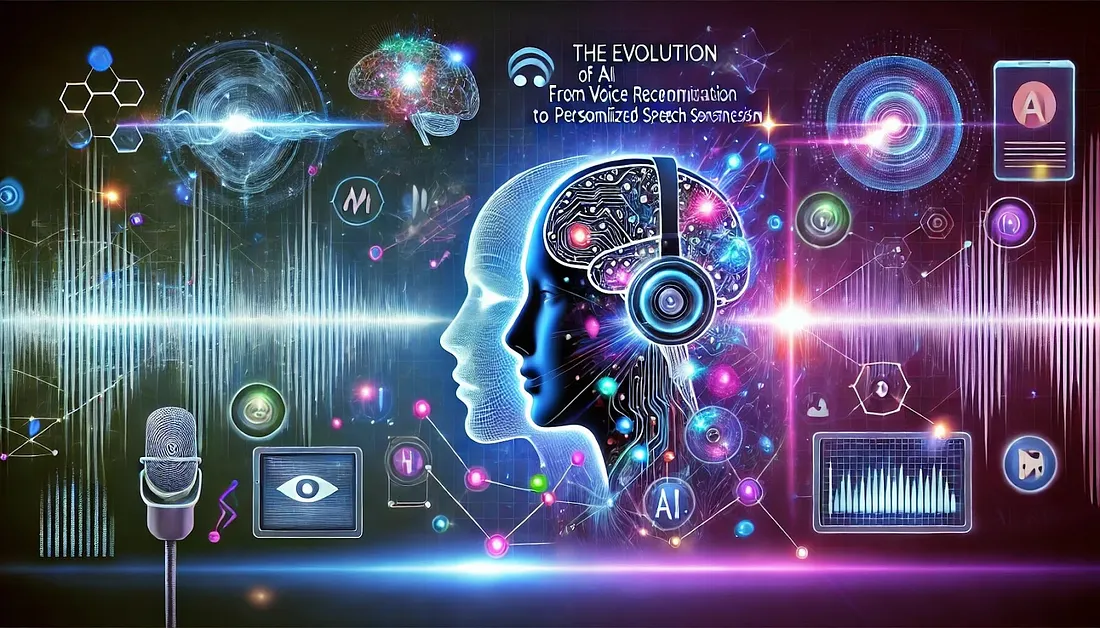
A Neural Text-to-Speech Synthesizer is an Artificial Intelligence (AI) technology that converts written text into spoken words. Unlike older computer-generated voices that sounded robotic and unnatural, modern neural speech systems can speak smoothly and clearly, almost like a real human being.
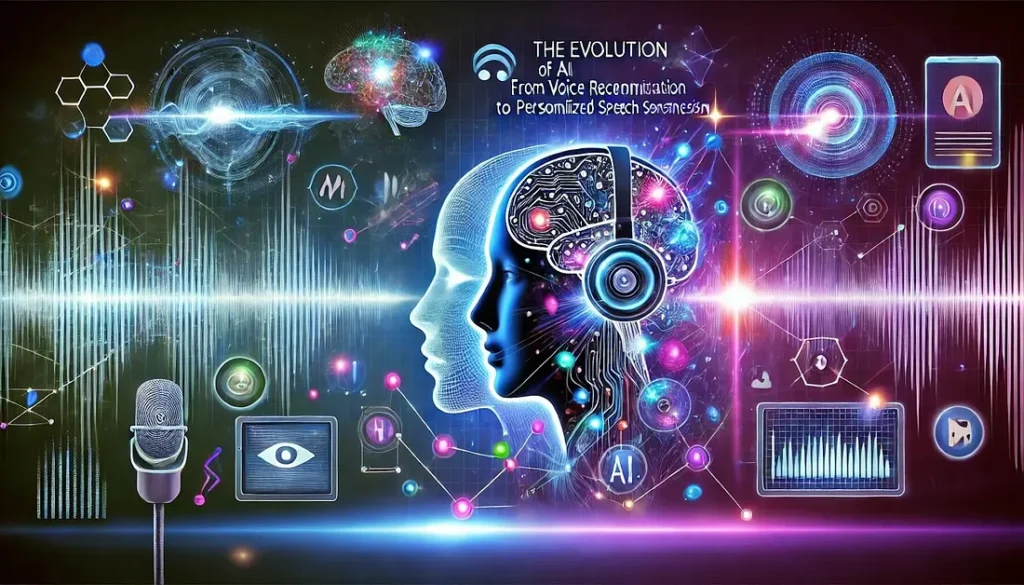
The term “neural” comes from neural networks, a type of AI designed to learn patterns in a way that resembles the human brain. These systems are trained using thousands of hours of recorded human speech. As a result, they learn how people pronounce words, use pauses, change tone, and express emotions. This helps the AI generate speech that sounds natural and engaging.
A well-known real-world example is Google Assistant. When a user asks, “What is the weather today?” or “Set an alarm for 7 a.m.,” Google Assistant responds with a voice that sounds remarkably human. Similarly, Amazon Alexa and Apple Siri use advanced Neural Text-to-Speech technology to communicate with millions of users worldwide. Another notable example is Google’s WaveNet, which significantly improved the quality and naturalness of machine-generated speech and became a breakthrough in speech synthesis technology.
Neural Text-to-Speech is also transforming education. Many e-learning platforms use AI-generated voices to read study materials aloud, helping students learn more effectively. For visually impaired individuals, screen readers powered by neural speech technology can convert books, articles, and websites into spoken content, making information more accessible.
Businesses are increasingly adopting this technology as well. Customer service systems, virtual assistants, and automated helplines use AI-generated voices to answer common questions and provide support around the clock. Companies can also create audiobooks, advertisements, and training materials without requiring professional voice recordings for every project.
One of the greatest advantages of Neural Text-to-Speech technology is its ability to improve accessibility. People with visual impairments or speech difficulties can use these systems to communicate and access information more easily. This makes digital services more inclusive and user-friendly.
However, there are also challenges. Because AI can generate voices that closely resemble real people, there is a risk of misuse through fake audio recordings or voice cloning. Such technology could potentially be used to spread misinformation or impersonate individuals. Therefore, developers, policymakers, and organizations must work together to ensure that AI-generated speech is used ethically and responsibly.
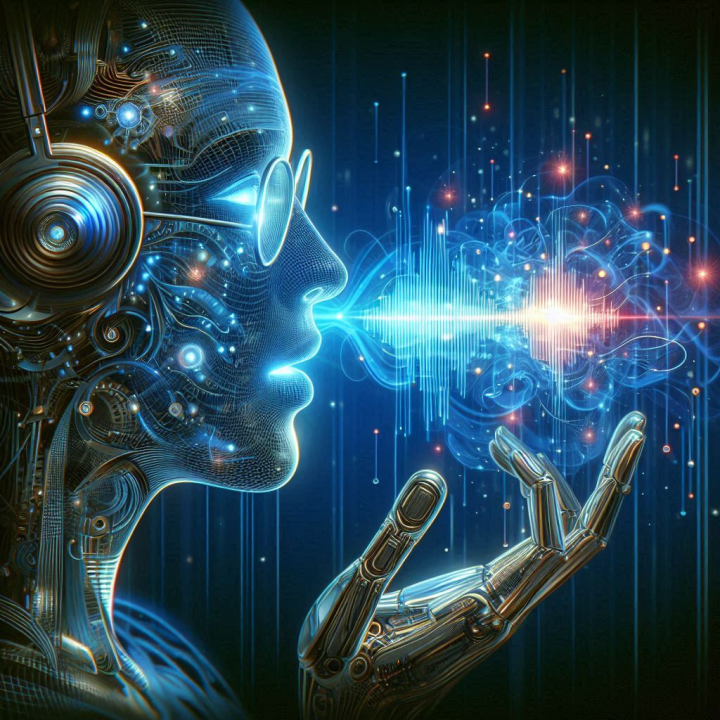
Researchers continue to improve Neural Text-to-Speech systems. Future versions may be able to express emotions more accurately, switch seamlessly between languages, and provide highly personalized voice experiences. These advancements will make interactions between humans and machines even more natural.
Neural Text-to-Speech Synthesizers demonstrate how Artificial Intelligence is transforming communication. From virtual assistants and navigation systems to educational tools and accessibility solutions, this technology is making computers more helpful and easier to interact with. As AI continues to evolve, the line between human and machine speech may become increasingly difficult to distinguish, opening exciting possibilities for the future.








 Synthesizer)