







By Dr. Rajan Goyal
Assistant Professor, Chandigarh University, Gharuan, Mohali
Introduction
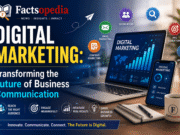
The digital revolution has fundamentally transformed the way businesses communicate with customers, promote products, and build brand relationships. Traditional marketing channels such as newspapers, television, radio, and outdoor advertising once dominated the business landscape. Today, however, organizations are increasingly relying on digital platforms to reach audiences more effectively, efficiently, and personally.
Digital marketing has emerged as one of the most powerful tools for business growth in the twenty-first century. By leveraging websites, social media platforms, search engines, email campaigns, mobile applications, and data analytics, businesses can engage consumers in real-time and create highly personalized experiences. As technology continues to evolve, digital marketing is no longer merely an option—it has become a strategic necessity for organizations seeking long-term success.
The Evolution of Marketing in the Digital Age
Marketing has evolved significantly over the past two decades. The widespread adoption of the internet, smartphones, and social media platforms has changed consumer behavior dramatically. Modern consumers actively search for information, compare products online, read reviews, and interact with brands before making purchasing decisions.
This shift has compelled businesses to move beyond traditional one-way communication models and embrace interactive, customer-centric marketing strategies. Digital marketing enables organizations to engage in meaningful conversations with customers, understand their preferences, and respond quickly to changing market demands.
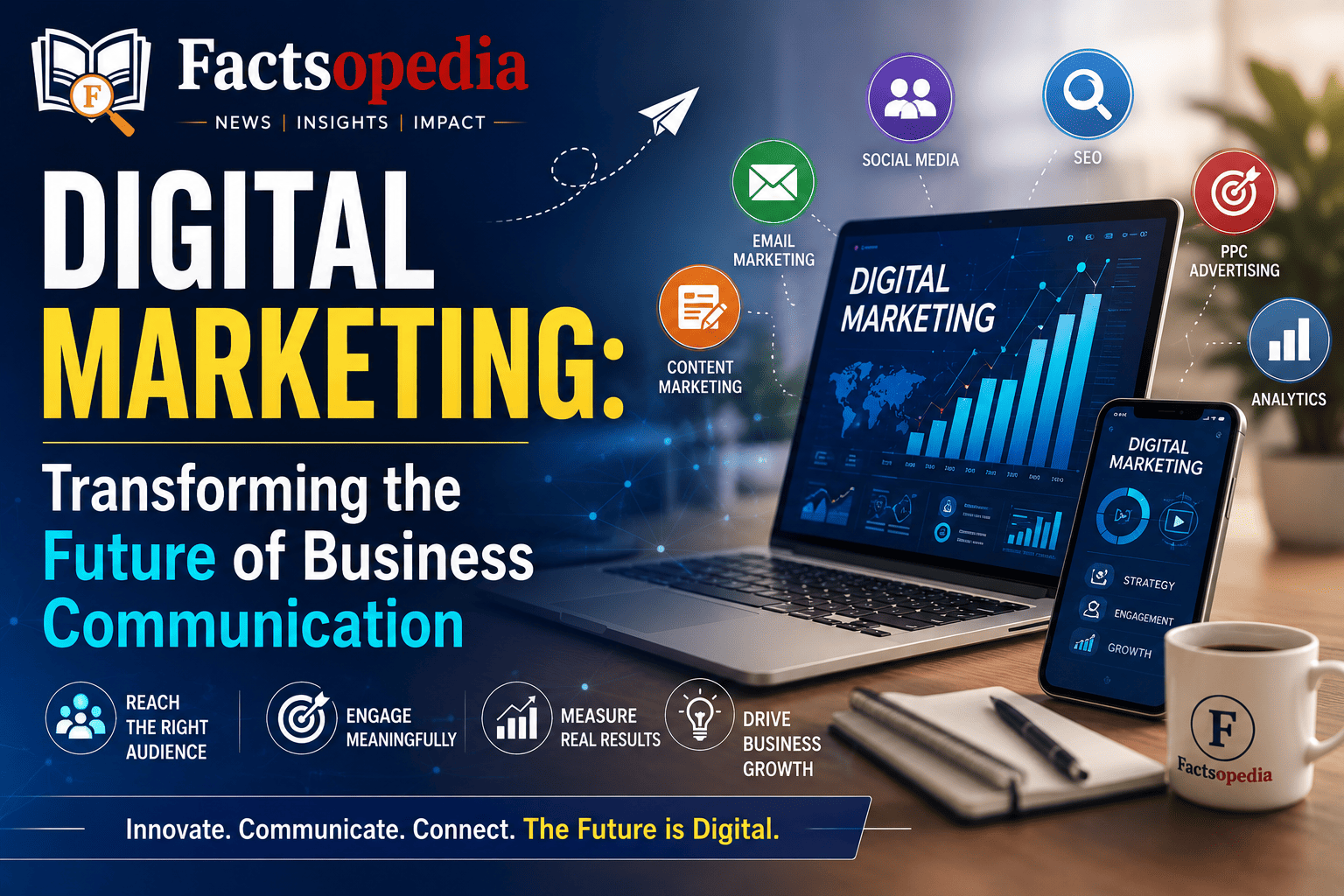
Key Components of Digital Marketing
Search Engine Optimization (SEO)
SEO helps businesses improve their visibility on search engines such as Google. By optimizing website content and structure, organizations can attract more organic traffic and increase online presence.
Social Media Marketing
Platforms such as Facebook, Instagram, LinkedIn, X (Twitter), and YouTube have become essential marketing channels. Businesses use these platforms to engage audiences, build communities, and strengthen brand awareness.
Content Marketing
High-quality content remains the foundation of successful digital marketing. Blogs, articles, videos, podcasts, infographics, and case studies help organizations educate, inform, and influence consumers while establishing authority within their industries.
Email Marketing
Email continues to be one of the most effective digital communication tools. Personalized email campaigns help businesses nurture customer relationships, promote products, and increase customer retention.
Pay-Per-Click (PPC) Advertising
Digital advertising platforms enable organizations to target specific audiences based on demographics, interests, location, and online behavior, maximizing marketing efficiency and return on investment.
The Power of Data-Driven Marketing
One of the greatest advantages of digital marketing is its ability to generate measurable results. Unlike traditional advertising, digital platforms provide detailed insights into customer behavior and campaign performance.
Businesses can track:
- Website traffic
- User engagement
- Conversion rates
- Customer demographics
- Purchase behavior
- Advertising effectiveness
These insights enable organizations to continuously refine their marketing strategies and improve decision-making processes.
Data analytics has transformed marketing from an intuition-based activity into a science-driven discipline focused on measurable outcomes and customer insights.
Artificial Intelligence and the Future of Marketing
Artificial Intelligence (AI) is increasingly reshaping the digital marketing landscape. AI-powered tools can analyze customer behavior, automate repetitive tasks, generate personalized recommendations, and predict future purchasing patterns.
Applications of AI in marketing include:
- Chatbots and virtual assistants
- Predictive analytics
- Personalized content recommendations
- Customer segmentation
- Marketing automation
- Voice search optimization
These technologies help businesses deliver highly customized experiences that improve customer satisfaction and loyalty.
Challenges in the Digital Marketing Environment
Despite its many advantages, digital marketing also presents significant challenges.
Increasing Competition
The online marketplace has become highly competitive. Businesses must continuously innovate to attract and retain customer attention.
Data Privacy Concerns
Consumers are increasingly concerned about how their personal information is collected and used. Organizations must comply with evolving data protection regulations and maintain transparency in data practices.
Content Saturation
The internet is flooded with content. Standing out requires creativity, relevance, authenticity, and value-driven communication.
Rapid Technological Changes
Digital platforms and algorithms evolve constantly. Businesses must remain agile and continuously update their marketing strategies to stay relevant.
Building Consumer Trust Through Ethical Marketing
In today’s digital environment, trust is a valuable asset. Consumers are more likely to engage with brands that demonstrate transparency, authenticity, and ethical practices.
Organizations should focus on:
- Honest communication
- Responsible use of customer data
- Transparent advertising practices
- Genuine customer engagement
- High-quality and accurate content
Building trust not only strengthens brand reputation but also fosters long-term customer relationships.
Digital Marketing for Small Businesses and Startups
One of the most significant advantages of digital marketing is its accessibility. Small businesses and startups can compete with larger organizations without requiring massive marketing budgets.
Digital tools enable entrepreneurs to:
- Reach targeted audiences
- Build brand awareness
- Generate leads
- Increase sales
- Expand into global markets
This democratization of marketing has created unprecedented opportunities for innovation and business growth.
The Future of Business Communication
The future of business communication will be increasingly digital, personalized, and technology-driven. Emerging technologies such as artificial intelligence, augmented reality, virtual reality, voice search, and predictive analytics will continue to transform how organizations interact with consumers.
However, technology alone is not enough. Successful organizations will be those that combine technological innovation with genuine human connection, empathy, and customer-centric thinking.
Businesses must balance automation with authenticity to create meaningful experiences that resonate with modern consumers.
Conclusion
Digital marketing has fundamentally transformed business communication by enabling organizations to engage customers more effectively, measure performance accurately, and deliver personalized experiences at scale. It has become a critical driver of growth, competitiveness, and innovation in the modern business environment.
As digital technologies continue to evolve, organizations must embrace change, prioritize ethical marketing practices, and invest in customer relationships. The future belongs to businesses that can successfully integrate technology, creativity, and human connection to create lasting value for their customers.
Factsopedia – News | Insights | Impact