













By Akshita Gupta
Assistant Professor, Swami Vivekanand Group of Colleges, Ramnagar, Banur, District Patiala, Punjab
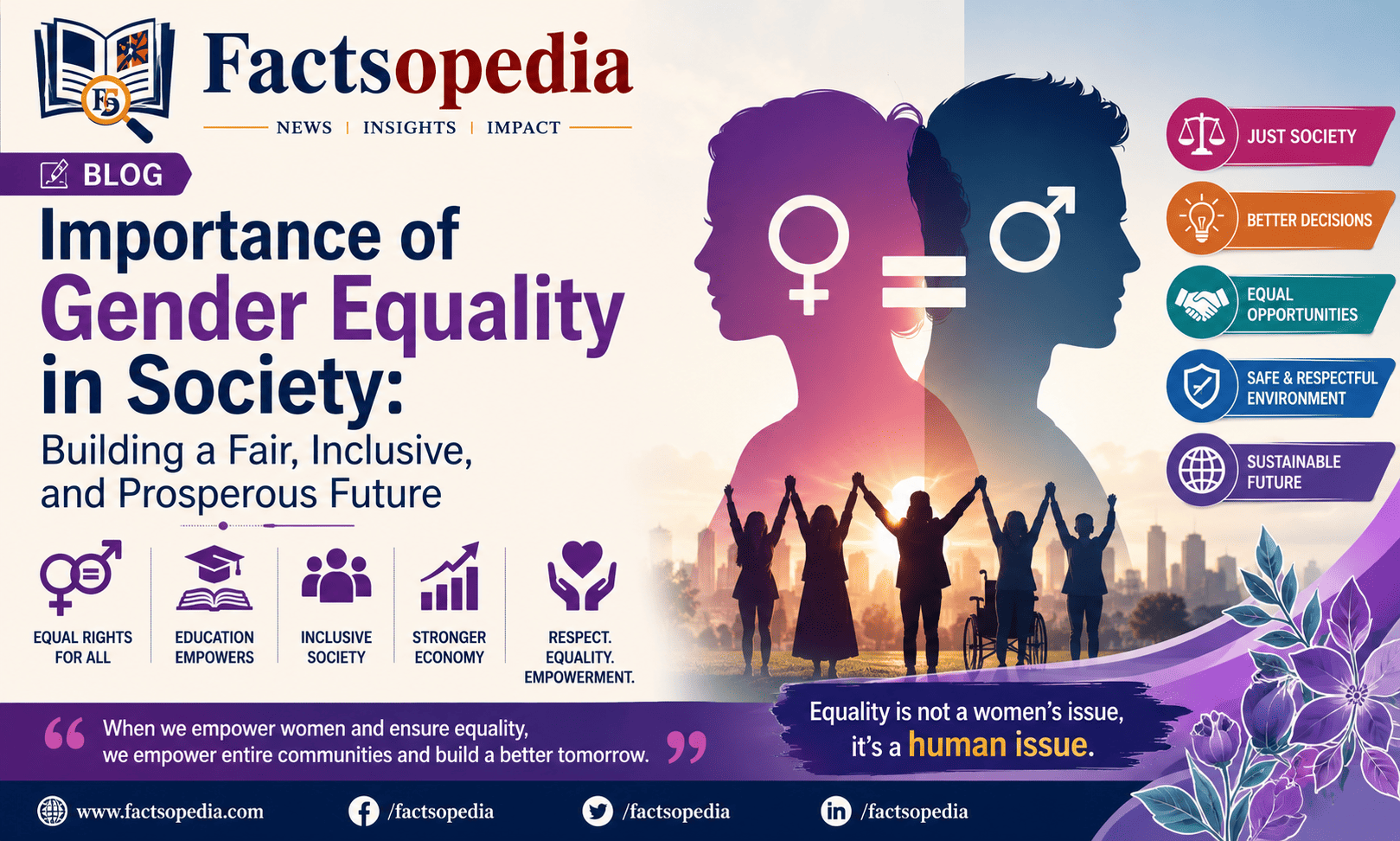
Gender equality is one of the fundamental pillars of a just, progressive, and sustainable society. It refers to providing equal rights, opportunities, responsibilities, and treatment to all individuals regardless of their gender. A society truly thrives when every person—whether male, female, or belonging to any other gender identity—is treated with dignity, respect, and fairness.
Although significant progress has been made in recent decades, gender inequality continues to exist in various forms across the world. From education and employment to leadership and decision-making, many individuals still face barriers because of societal stereotypes and discrimination. Promoting gender equality is not only a matter of social justice but also an essential requirement for economic growth, innovation, and human development.
Understanding Gender Equality
Gender equality does not mean that men and women must become identical. Rather, it means ensuring that every individual has equal access to opportunities, resources, rights, and freedoms. It is about creating an environment where people can pursue their aspirations and achieve their full potential without being limited by gender-based expectations.
When societies embrace equality, they benefit from diverse perspectives, stronger institutions, and more inclusive growth.
Historical Challenges and Continuing Inequalities
For centuries, women and girls faced discrimination in many aspects of life. Access to education, property ownership, healthcare, employment opportunities, and leadership positions was often restricted. In many parts of the world, girls were denied the opportunity to attend school, while women had limited participation in political and economic activities.
While considerable progress has been achieved, several challenges still remain:
- Gender pay gaps in many industries.
- Underrepresentation of women in leadership positions.
- Gender-based violence and discrimination.
- Unequal access to opportunities in certain sectors.
- Social stereotypes that limit personal and professional choices.
These challenges highlight the need for continuous efforts toward achieving true gender equality.
The Role of Education in Promoting Equality
Education is one of the most powerful tools for achieving gender equality. When girls receive quality education, they gain the knowledge, skills, and confidence necessary to become independent and successful contributors to society.
Educated women are more likely to:
- Participate in the workforce.
- Make informed life decisions.
- Improve family health and well-being.
- Support the education of future generations.
- Contribute to economic development.
Similarly, educating boys about respect, equality, and inclusion helps create more balanced and equitable communities.
Ensuring equal access to education for all genders is therefore essential for building a prosperous society.
Gender Equality and Economic Growth
Gender equality is not only a social issue but also an economic necessity. When women and men have equal opportunities to participate in the workforce, economies become stronger and more productive.
Organizations that promote diversity and inclusion often experience:
- Better decision-making.
- Increased innovation.
- Higher employee satisfaction.
- Improved organizational performance.
- Stronger competitiveness.
Research consistently shows that societies with greater gender equality tend to achieve higher levels of economic growth and social development.
Unlocking the full potential of all individuals allows nations to maximize their human capital and drive sustainable progress.
Breaking Gender Stereotypes
One of the biggest obstacles to equality is the persistence of gender stereotypes. Traditional beliefs often assign specific roles to men and women, limiting their opportunities and aspirations.
For example, some people still believe that certain professions are suitable only for men, while others are considered more appropriate for women. Such assumptions discourage individuals from pursuing careers based on their talents and interests.
Breaking these stereotypes enables people to make choices based on ability, passion, and potential rather than societal expectations.
A truly inclusive society encourages everyone to pursue their goals freely and confidently.
The Role of Families, Institutions, and Governments
Achieving gender equality requires collective effort from all sections of society.
Families
Parents play a critical role by teaching children the values of fairness, respect, and equality from an early age. Encouraging both boys and girls to pursue their dreams without bias helps create a more equitable future.
Educational Institutions
Schools and colleges should promote inclusive learning environments, equal participation opportunities, and awareness programs that challenge discriminatory attitudes and behaviors.
Governments
Governments can strengthen gender equality through:
- Equal opportunity laws.
- Anti-discrimination policies.
- Educational initiatives.
- Awareness campaigns.
- Support systems for women and marginalized groups.
Effective policies and strong implementation mechanisms are essential for creating meaningful change.
Gender Equality in the Twenty-First Century
In today’s interconnected world, gender equality is increasingly recognized as a critical component of sustainable development. International organizations, governments, businesses, and civil society groups are working together to reduce inequalities and create more inclusive societies.
The growing participation of women in leadership, entrepreneurship, science, technology, education, and public service demonstrates the positive impact of equal opportunities. However, continued efforts are necessary to address remaining barriers and ensure that progress benefits everyone.
Conclusion
Gender equality is essential for creating a fair, peaceful, and prosperous society. It empowers individuals, strengthens communities, enhances economic growth, and promotes social harmony. When people are provided equal opportunities regardless of gender, societies become more innovative, productive, and resilient.
Achieving gender equality is not solely the responsibility of governments or institutions; it requires commitment from families, educators, employers, and individuals alike. By challenging stereotypes, promoting inclusion, and ensuring equal opportunities, we can build a future where every person has the freedom and support to realize their full potential.
Gender equality is not just an ideal—it is a necessity for a better world.
Factsopedia – News | Insights | Impact