













Manvinder Singh Tandon
Professor, MM Institute of Management, Maharishi Markandeshwar (Deemed to be University)
Mullana, Ambala, india
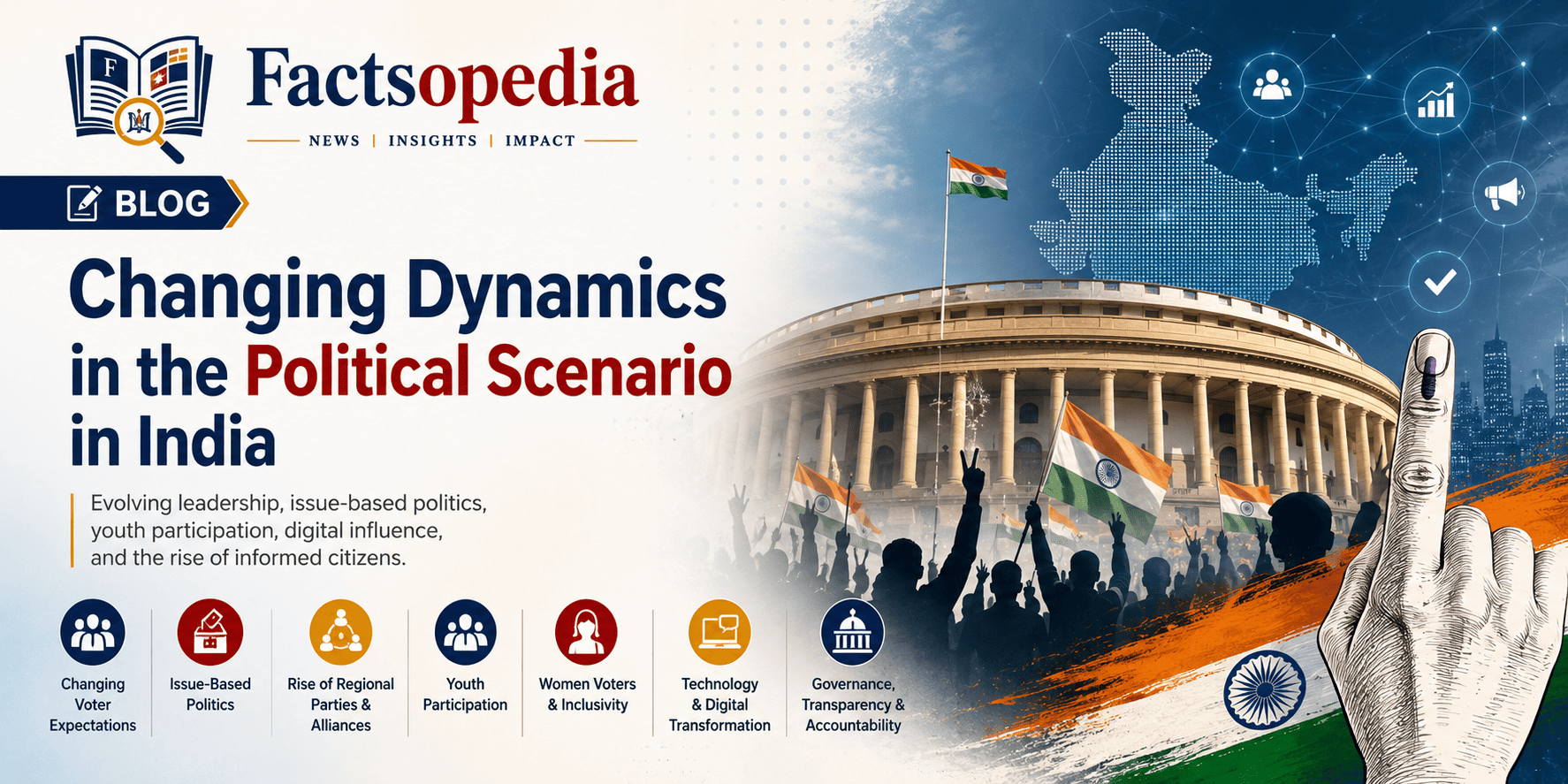
Changing Dynamics in the Political Scenario in India – India’s political landscape | Indian Political Scenario | Politics in India has undergone significant transformation in recent years, reflecting changes in voter expectations, technology, governance priorities, and social awareness. Traditional political campaigning has increasingly been supplemented by digital outreach through social media platforms, enabling political parties to connect directly with citizens and influence public opinion on a large scale.
The rise of issue-based politics has also become evident. Voters today are more concerned about employment, economic development, education, healthcare, infrastructure, and national security. Political parties are therefore focusing on governance and performance-based narratives rather than relying solely on traditional vote-bank politics.
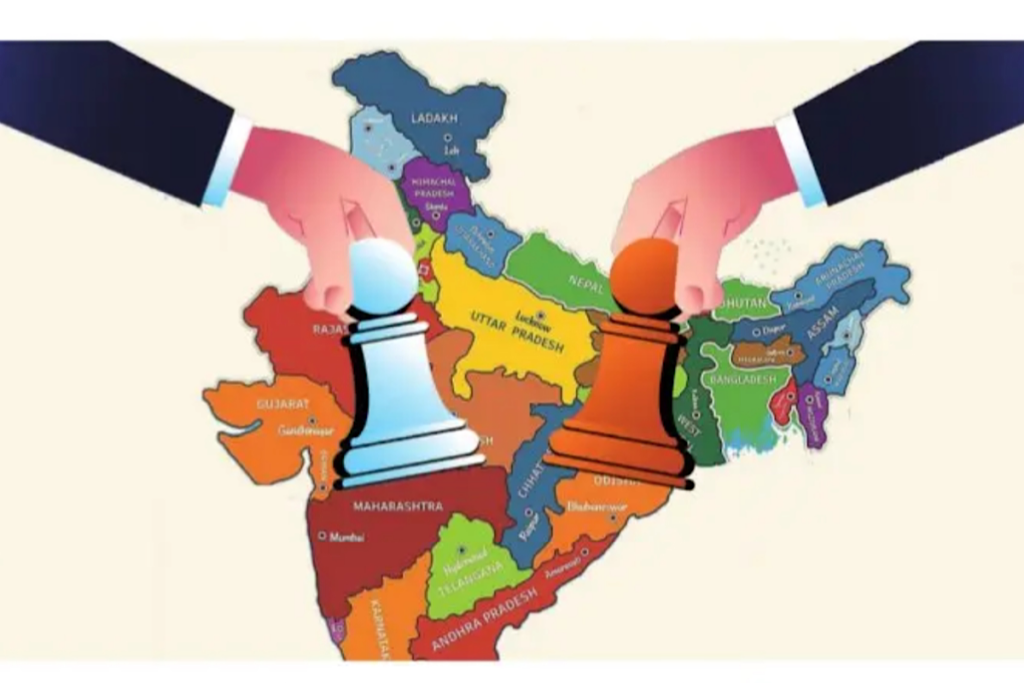
Regional parties continue to play a crucial role in shaping national politics. Coalition-building and strategic alliances have become important factors in determining electoral outcomes. At the same time, strong central leadership and the growing influence of national parties have altered the balance between regional and national political interests.
Youth participation has emerged as a significant force in Indian politics. With a large young population, political parties are increasingly addressing issues related to entrepreneurship, skill development, digital innovation, and employment opportunities.
Furthermore, the growing role of women voters, increased political awareness, and greater demand for transparency and accountability are reshaping democratic processes. These changing dynamics indicate that Indian politics is becoming more competitive, technology-driven, and citizen-centric, reflecting the aspirations of a rapidly evolving nation.