










By Dr. Deepa Sharma
Assistant Professor, MM Institute of Management, Maharishi Markandeshwar (Deemed to be University), Mullana-Ambala, Haryana
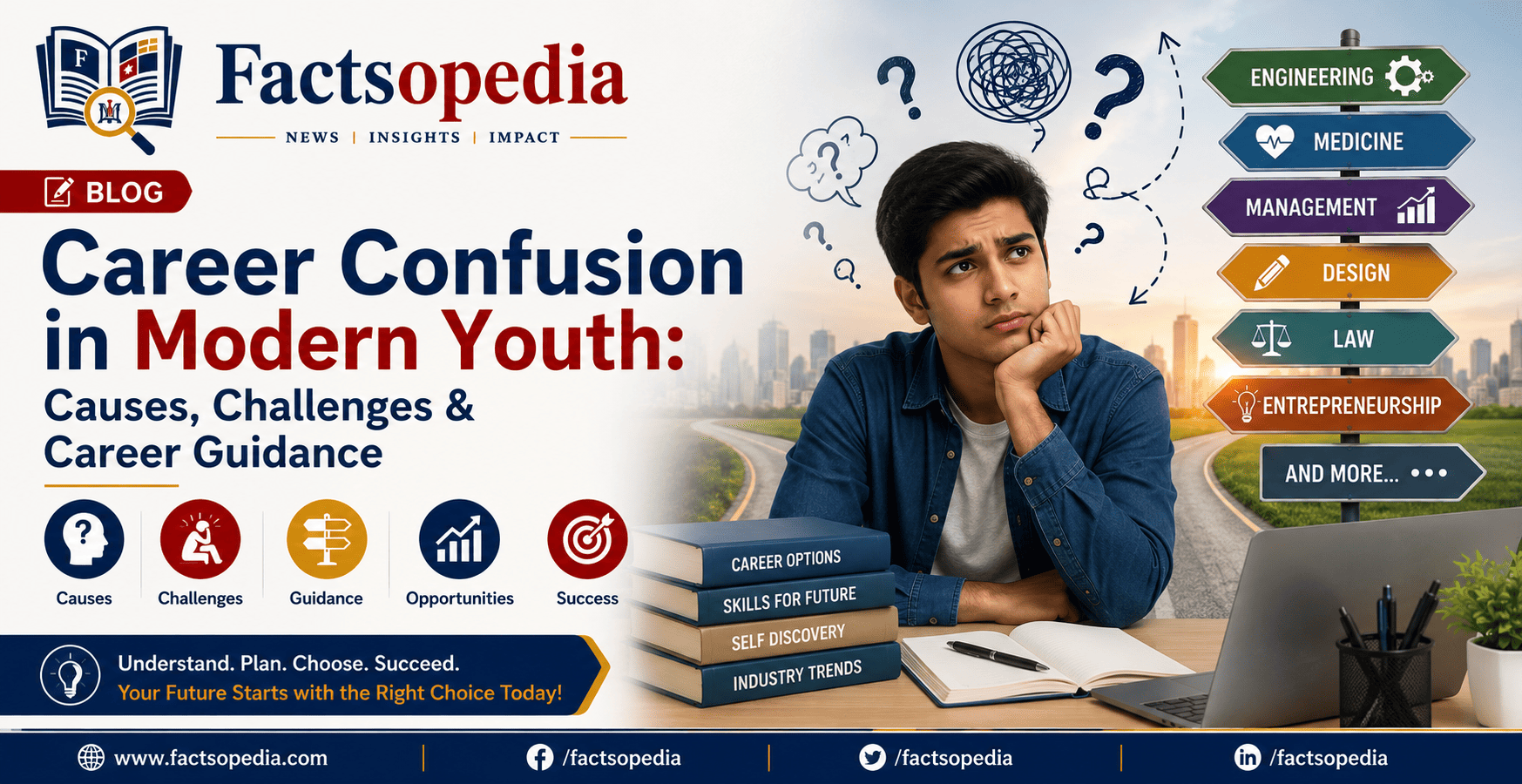
Choosing a career was once considered a relatively straightforward process. Students typically selected from a limited number of established professions such as medicine, engineering, teaching, law, or government services. However, the modern world presents a completely different reality. Today’s youth are surrounded by thousands of career options, ranging from artificial intelligence and digital marketing to content creation, entrepreneurship, data analytics, and sustainability management.
While this abundance of opportunities offers exciting possibilities, it has also created a growing challenge—career confusion. Many students find themselves overwhelmed by the pressure of making the “right” choice. The fear of failure, societal expectations, and rapidly changing job markets often make career planning a stressful experience rather than an inspiring journey.
Why Are Young People So Confused About Their Careers?
1. Lack of Self-Awareness
One of the primary reasons behind career confusion is the inability to understand personal strengths, interests, values, and aspirations. Many students focus more on popular career trends than on their own capabilities and passions.
Without proper self-assessment, career decisions are often based on external influences rather than personal suitability.
2. Influence of Parents and Society
In many households, career decisions are strongly influenced by family expectations. Professions such as medicine, engineering, civil services, and government jobs are often viewed as symbols of success and social prestige.
As a result, students may feel compelled to pursue careers that do not align with their interests, leading to dissatisfaction and reduced motivation in the long run.
3. Social Media and Digital Influence
The rise of social media has transformed how young people perceive success. Every day, students encounter stories of influencers, entrepreneurs, content creators, and professionals showcasing achievements, luxury lifestyles, and financial success.
While these stories can be motivating, they can also create unrealistic expectations and comparison anxiety. Many young individuals begin questioning their own career choices without fully understanding the effort and circumstances behind others’ success.
4. Rapidly Changing Job Markets
Technological advancements are continuously reshaping industries and creating new career opportunities. Jobs that were highly sought after a decade ago may become less relevant, while entirely new professions emerge.
This dynamic environment often leaves students uncertain about which skills and qualifications will remain valuable in the future.
5. Limited Career Guidance
Despite increasing educational opportunities, many schools and colleges still lack structured career counseling programs. Students frequently receive academic guidance but little support in understanding career pathways, industry trends, and emerging opportunities.
This information gap contributes significantly to confusion and poor career decision-making.
Consequences of Career Confusion
Career confusion can affect both academic performance and mental well-being.
Some common consequences include:
- Increased stress and anxiety
- Lack of confidence and self-esteem
- Poor academic engagement
- Frequent changes in courses or specialization
- Delayed career planning
- Frustration and dissatisfaction
- Reduced productivity and motivation
In severe cases, prolonged uncertainty can negatively impact a student’s overall quality of life and future career satisfaction.
How Can Students Overcome Career Confusion?
Conduct a Self-Assessment
Students should spend time understanding their interests, strengths, personality traits, and career aspirations. Various aptitude and personality assessments can help identify suitable career directions.
Seek Professional Guidance
Career counselors, mentors, teachers, and industry professionals can provide valuable insights regarding career options, skill requirements, and market trends.
Professional guidance helps students make informed decisions based on realistic expectations rather than assumptions.
Explore Career Opportunities
Internships, workshops, certifications, industry visits, and online courses allow students to gain practical exposure before committing to a specific career path.
Hands-on experiences often provide clarity that classroom learning alone cannot offer.
Develop Future-Ready Skills
The future workplace will increasingly value skills such as:
- Critical Thinking
- Problem Solving
- Communication
- Creativity
- Digital Literacy
- Leadership
- Adaptability
- Emotional Intelligence
Students should focus on building these transferable skills regardless of their chosen profession.
Encourage Open Family Discussions
Parents should support their children’s individual interests and talents rather than imposing predetermined career paths. Constructive discussions and mutual understanding can significantly reduce pressure and confusion.
Strengthen Career Education in Schools
Educational institutions should integrate career counseling programs, industry interactions, aptitude assessments, and skill development initiatives into their curriculum to prepare students for informed decision-making.
The Role of Technology in Career Planning
Artificial Intelligence and digital platforms are making career guidance more accessible than ever before. Online assessment tools, virtual mentoring programs, career exploration platforms, and skill-based learning resources can help students identify opportunities aligned with their interests and abilities.
Technology should be viewed as a tool for exploration rather than a source of comparison and confusion.
Conclusion
Career confusion among modern youth is not a sign of weakness; it is a natural outcome of living in a world filled with unprecedented opportunities and constant change. The key lies in transforming uncertainty into exploration and informed decision-making.
Students must focus on self-discovery, continuous learning, and skill development while seeking guidance from mentors and professionals. Similarly, parents, educators, and institutions must create supportive environments that encourage informed career choices rather than imposing rigid expectations.
A successful career is not determined by following trends but by aligning one’s passions, strengths, and aspirations with meaningful opportunities. With the right guidance, awareness, and confidence, today’s youth can navigate career challenges and build fulfilling professional journeys.
Factsopedia – News | Insights | Impact